Tree Roots in a Sewer Line: 5 Fixes and Which Ones Last
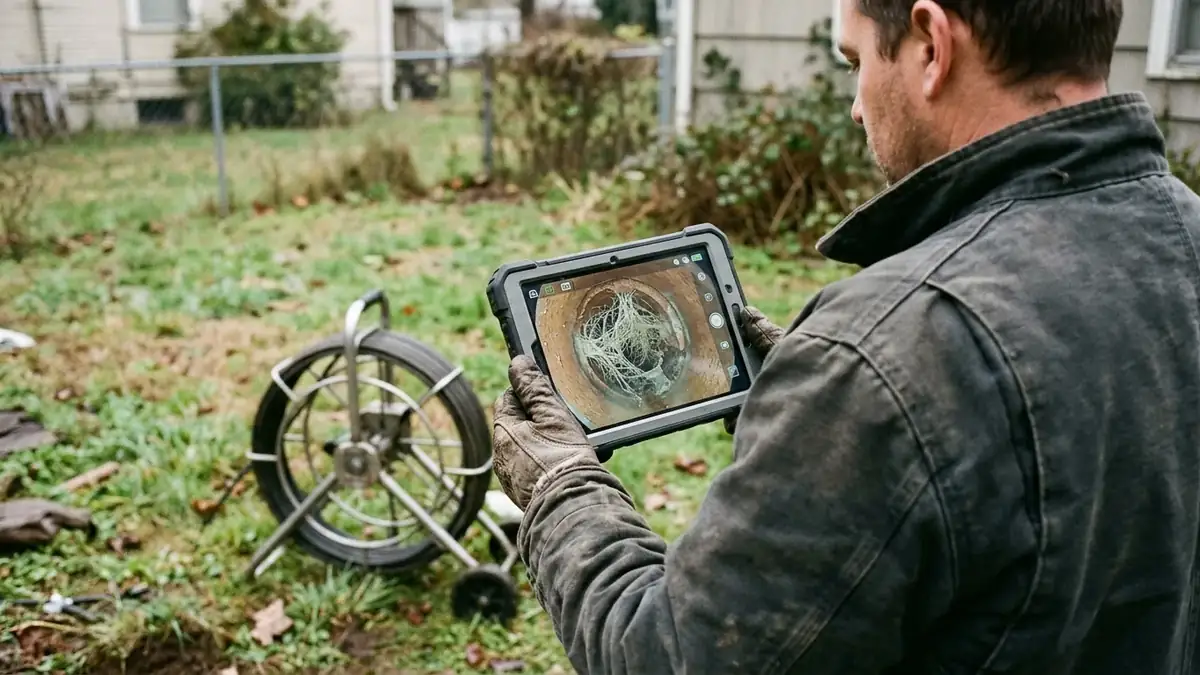
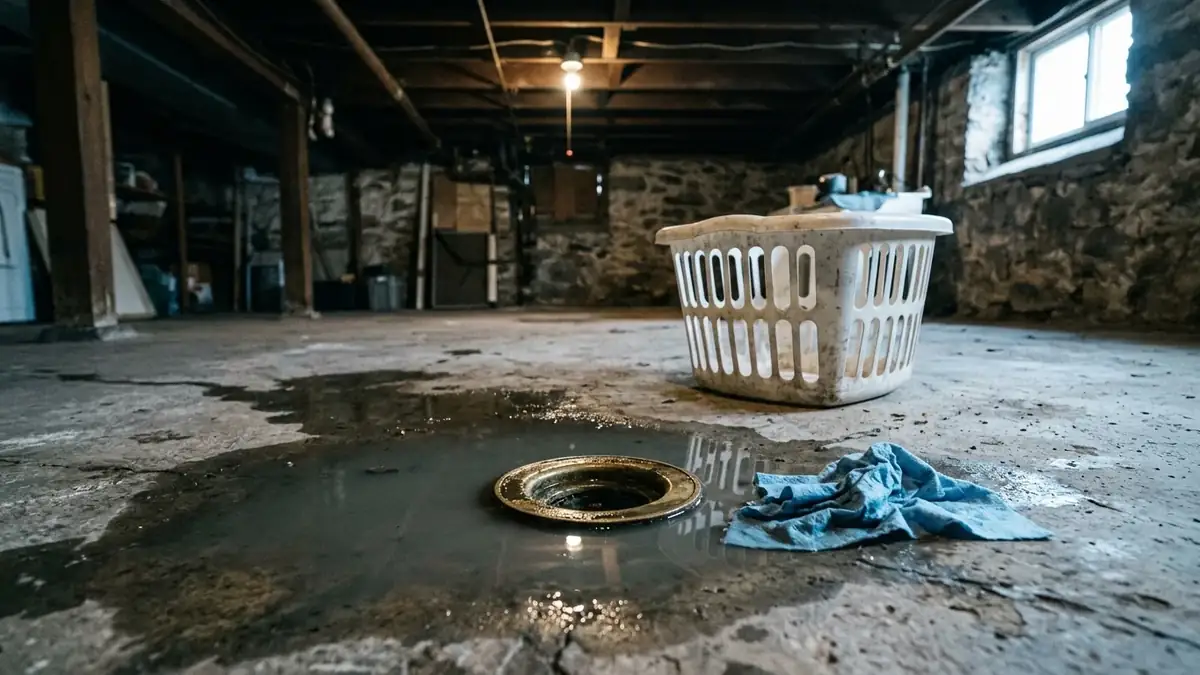
Tree roots in sewer line joints are the most common reason a lateral keeps backing up. Roots don't break into sound pipe. They find a joint or crack that already leaks a little warm, damp air and water, grow through it, and then fill the pipe with a fine mat that snags paper and waste. Slow drains, gurgling and a backup that returns every few months are the usual symptoms.
How serious it is depends on what the roots are coming through. A few hair-like roots at one joint are a nuisance; a dense mat at every joint, or roots that have split the pipe, mean the line itself is failing. Below are the five fixes people use, from the shortest-lived to the longest, and what each one really does. If the house is backed up right now, call a sewer crew nearby first.
1. Chemical root killers
Root-killing products, usually copper sulfate crystals or a foaming treatment, are flushed into the line to kill the roots inside the pipe. They can slow regrowth for a while and are sometimes used after roots have been cut. They won't clear a mat that is already blocking the pipe, and they do nothing to the joint the roots came through, so new growth eventually finds the same opening.
2. Cutting the roots out with a cable
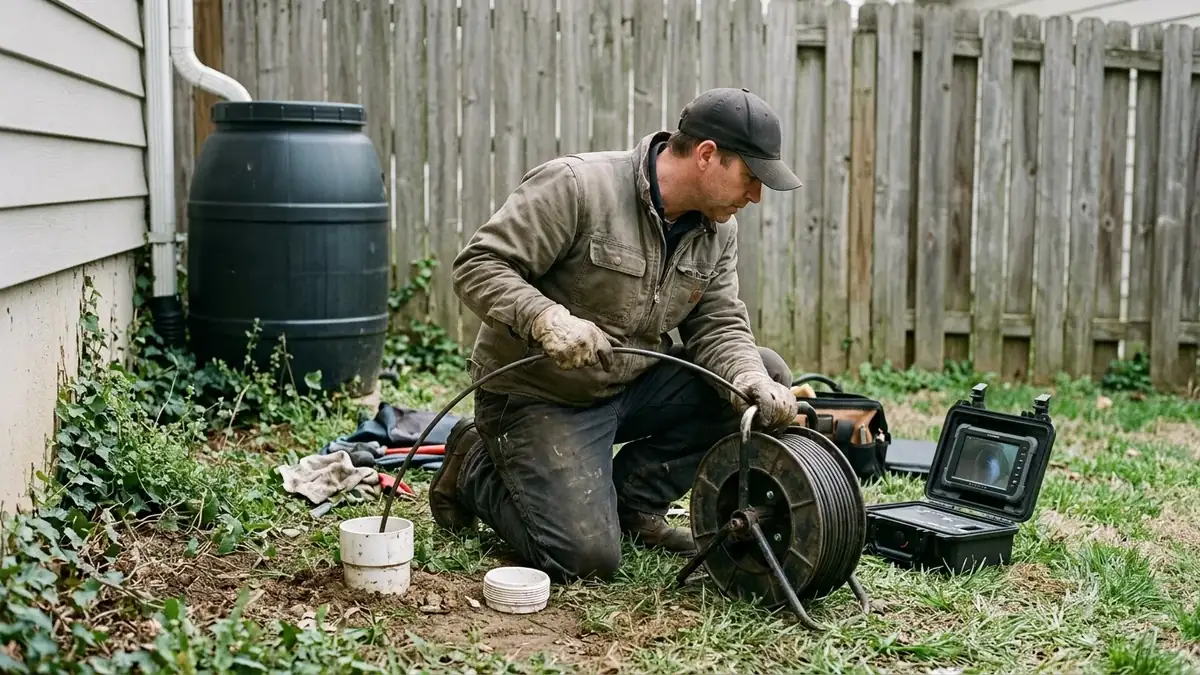
A cable machine with a cutting head is fed through the cleanout and spun through the root mass. It opens the pipe quickly, often the same day, and it is the right first move when the house is backed up. The joint stays open, though, and roots grow back, which is why so many homeowners end up having the line cut every year or so.
3. Jetting the roots out
A high-pressure water jet with a root-cutting nozzle scours the pipe wall more thoroughly than a cable and flushes the debris away. The line comes out cleaner, and regrowth takes longer to cause trouble. Every joint is left exactly as it was, however. Jetting is also how a pipe gets prepared for lining, so it often comes right before a permanent fix.
4. A spot liner over the entry point
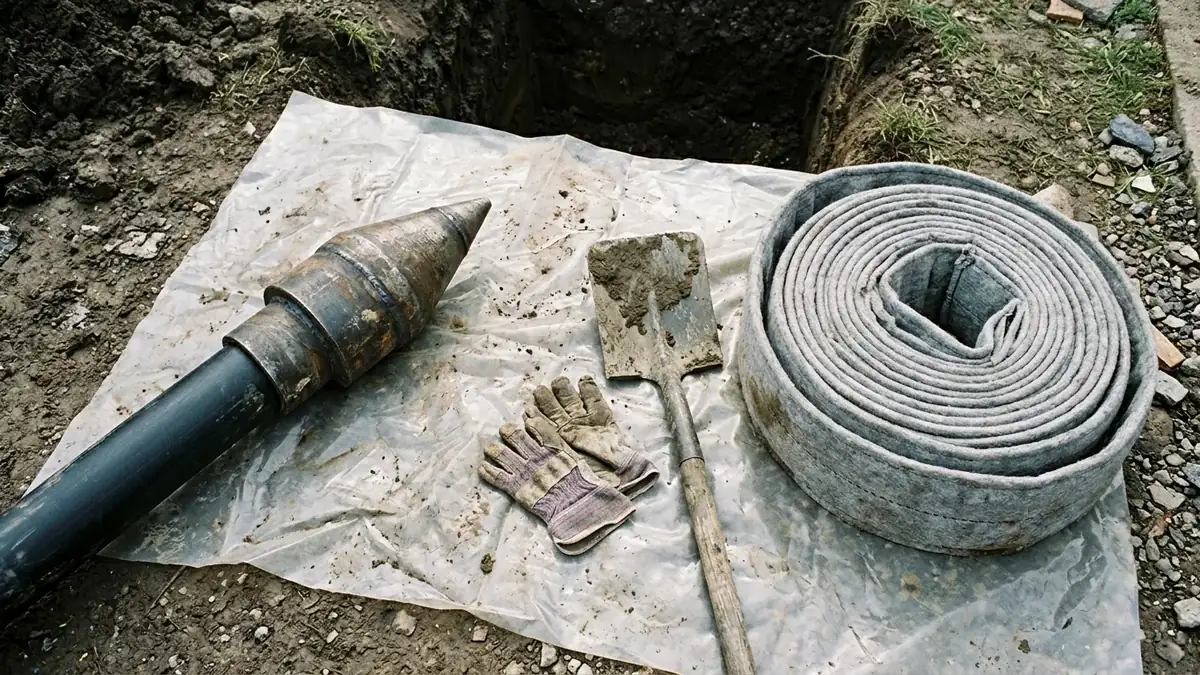
When the camera shows roots entering at one or two joints and the rest of the line in good shape, a sectional liner 3 to 10 feet long can be cured over each problem joint once the roots are cut out. That closes the opening the roots were using. A spot repair is estimated at $1,500 to $4,000.
5. Lining the whole line
If roots are getting in at joint after joint, a full liner is the fix that lasts. It turns the old sectioned pipe into one continuous tube with no joints for roots to find, and it is designed for about 50 years. Full lining is estimated at $80 to $250 per foot, with most residential lines estimated at $4,000 to $15,000. Where roots have cracked the pipe badly or crushed a section, bursting replaces it instead, and lining versus bursting explains how that choice gets made.
Vinegar and other home remedies
Vinegar, baking soda, salt and boiling water turn up in every search, and none of them is a root treatment. They might freshen a drain, but they don't dissolve roots that have grown through a joint, and they are badly diluted by the time they reach the yard. If a home remedy seems to help, the backup has usually eased on its own for a while.
Which fix lasts, and what to do next
Cutting and jetting are maintenance: they clear the pipe and buy time. Spot liners and full lining are repairs: they close the openings, so the roots have nowhere to come back through. A camera pass after the line is cleared shows how many joints are involved, which decides between a patch and the whole run. If the line gets cut every year, that footage is worth having. The signs of a failing line cover what else to watch for, and who pays for the repair covers ownership.
Quick answers
How bad is it to have roots in a sewer line?
A few fine roots at one joint are a nuisance that cutting can manage. A heavy mat at many joints, or roots that have cracked or crushed the pipe, mean the line is failing and needs lining or replacement.
Will vinegar kill tree roots in a sewer line?
No. Vinegar and other kitchen remedies don't dissolve roots that have grown through a joint. Cutting or jetting removes them, and lining closes the joint so they stay out.
How much does it cost to fix tree roots in a sewer line?
Cutting or jetting is billed as a service visit and varies by company. The lasting fixes are a spot liner, estimated at $1,500 to $4,000, or lining the full line at an estimated $80 to $250 per foot.
Who is responsible for tree roots in the sewer line?
Usually whoever owns the pipe the roots are in, and for the lateral that is normally the homeowner. Rules vary by city, particularly where a street tree is involved, so check with yours.
What dissolves tree roots in sewer lines?
Root-killing products such as copper sulfate kill roots inside the pipe for a time, but they don't clear a blockage or seal the joint. Mechanical cutting or jetting removes them; a liner keeps them out.
Sewer still backing up?
A crew that works on sewer lines can film it and price the fix in writing.