Is Trenchless Sewer Repair Worth It? 5 Pros and 4 Limits
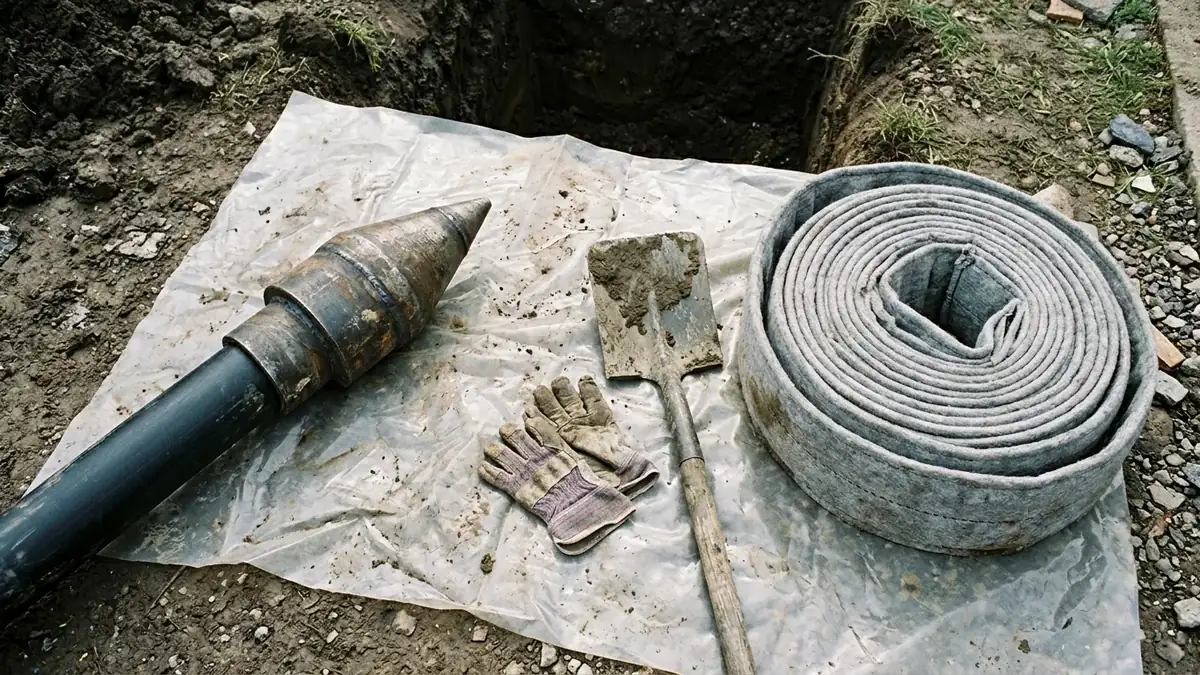
Is trenchless sewer repair worth it? For most failing house laterals the answer is yes, but only once the pipe qualifies, and some don't. The method's strengths are practical ones: less wreckage, a short job and a new pipe surface with no joints. Its limits are just as real, and they come from simple physics rather than from anyone's sales pitch.
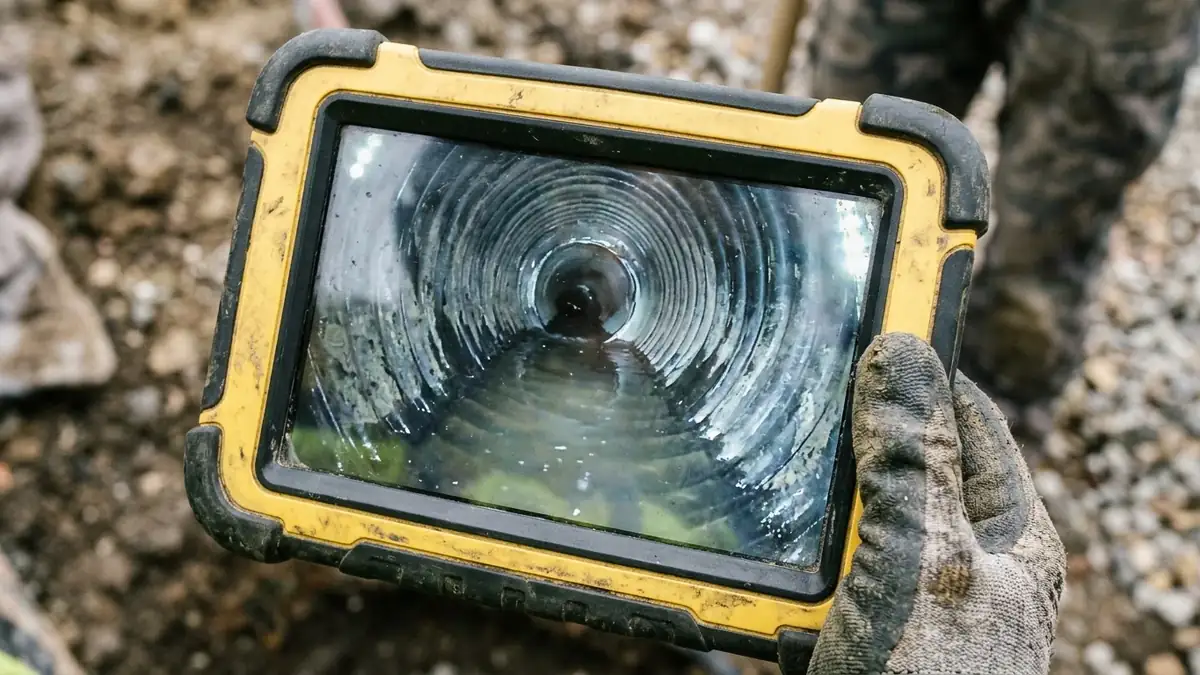
Below are five advantages and four limits, followed by what the day itself and the lawn afterward look like. The order a job follows shows where the camera fits in, and that is the step that tells you whether your line is a candidate at all.
Pro 1: Much less to rebuild
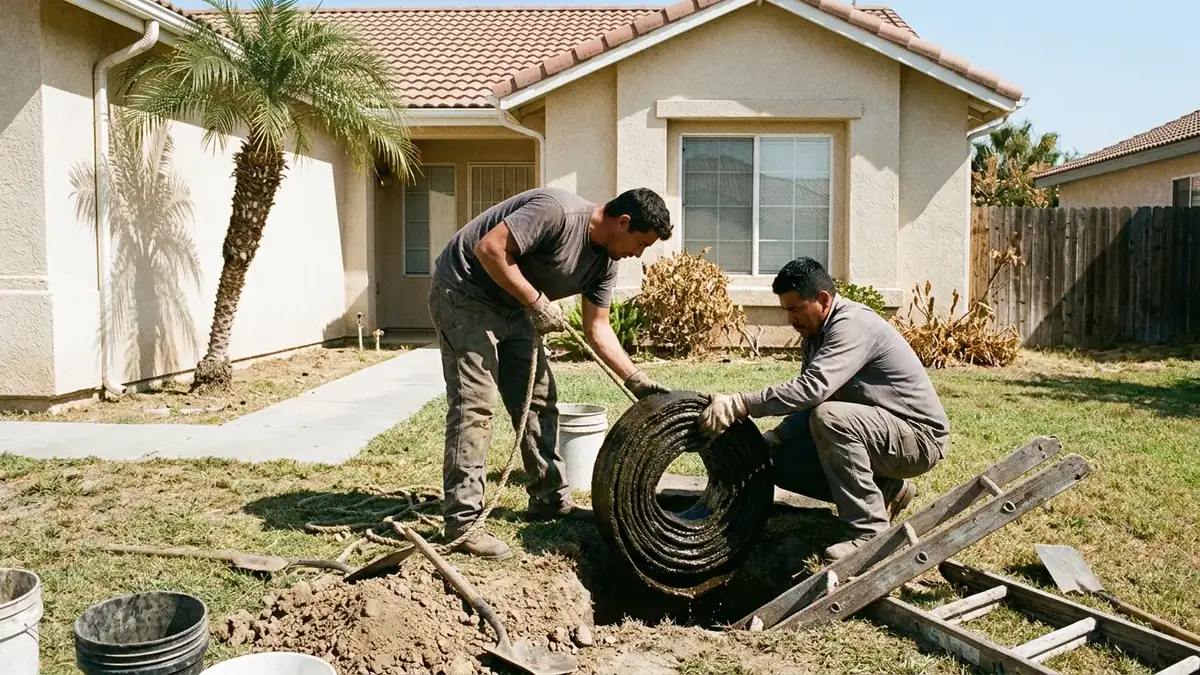
A trench along a sewer line takes everything above it: lawn, shrubs, walkway, sometimes a driveway or a length of sidewalk. Trenchless work swaps that trench for one or two pits a few feet square, or a cleanout plus a single pit. On most jobs the savings show up in restoration rather than in the pipe work, as the factors behind the price explain.
Pro 2: Usually finished in a day
A typical house lateral is filmed, prepared and lined or burst within one working day, with a second day on harder jobs. When a liner goes in, the water stays off for a few hours while the resin cures, so plan on no showers, laundry or dishwasher during that window. The crew will also need clear access to the cleanout. The FAQ page covers more of what to expect on the day.
Pro 3: A pipe with no joints
Old clay and cast iron lines are short sections joined end to end, and every joint is a place for roots to enter and for the line to shift. A cured liner is one continuous tube, and burst-in HDPE is fused into a single length. Roots that have been coming in at the joints for years lose their way in.
Pro 4: A long service life
CIPP liners are engineered for about 50 years of service, and the fused HDPE a bursting crew installs carries a 50 to 100 year rating. Either way, the repair is meant to be the last one that stretch of line needs for decades, not a stopgap until the next backup.
Pro 5: It reaches pipe under slabs and drives
Some of the hardest pipe to dig sits beneath a house slab, a garage floor or a driveway. A liner fed from a cleanout reaches those stretches from inside the pipe, so the concrete stays where it is. For a slab home, that point alone often settles the question in favor of trenchless.
The 4 limits
1. A full collapse. A liner needs an old pipe to follow, and a flattened or caved-in section has none. That stretch needs bursting or a targeted dig, and what happens with a collapsed line walks through the options.
2. Bellies. A liner copies the profile of the host pipe, so a sag that holds water is still a sag afterward. Correcting the grade usually means digging at the low spot.
3. A slightly smaller bore. The liner wall takes a few millimetres off the inside diameter. On most house laterals that causes no trouble, but it is a genuine trade-off.
4. Layouts that block bursting. Bursting needs a pit at each end, prefers a fairly straight run and is avoided where other utilities lie very close to the sewer line. When neither lining nor bursting fits, an open dig for part of the run is the honest answer.
What happens to the lawn
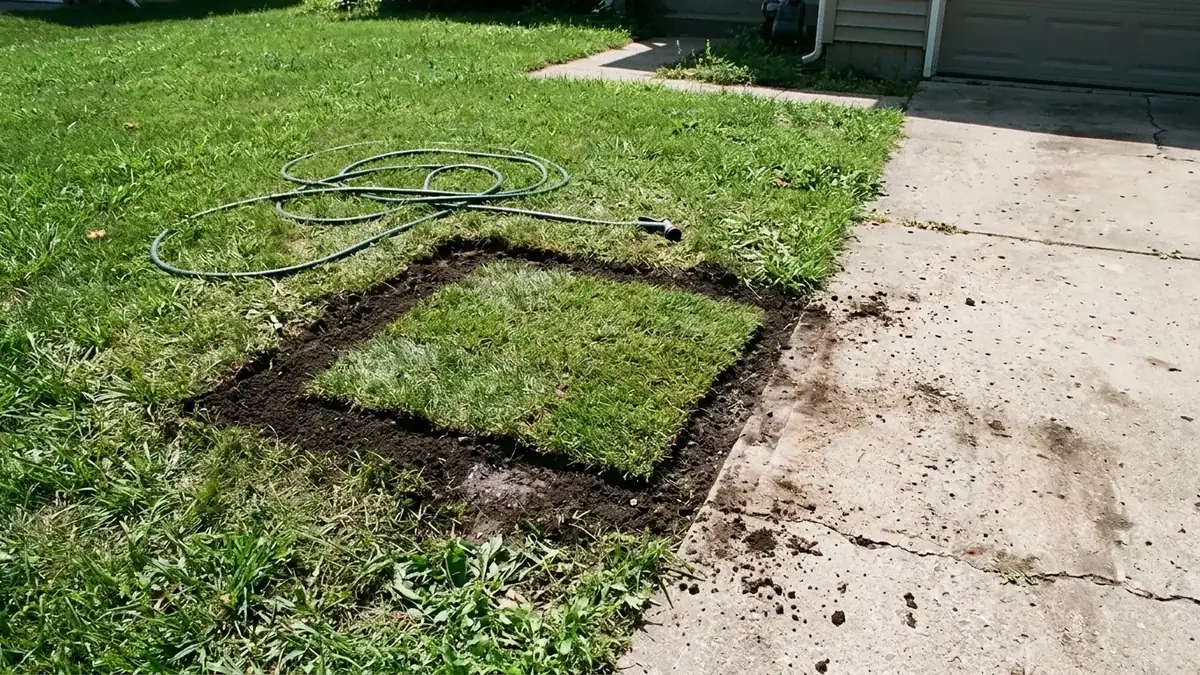
Each pit is backfilled once the work is done. Grass over a patch a few feet square is the easy part: rake the soil level, add a layer of topsoil, seed it or lay a piece of sod, and keep it watered until it roots. Backfill settles a little over the first few weeks, so topping up a low spot is normal. Next to a trench scar across the yard, the mark is small and short-lived.
So, is it worth it?
When the camera shows a pipe that still holds its shape at a workable grade, especially one running under concrete, a slab or mature landscaping, trenchless repair is usually the better deal. When it shows a collapse or a belly, part of the answer involves digging, and a fair quote says so plainly.
Quick answers
What are the disadvantages of CIPP lining?
A liner can't rebuild a collapsed section or level out a belly, since it hugs the old pipe, and it trims a few millimetres off the bore. Bursting or a targeted dig handles those cases.
How long does trenchless sewer repair take?
One day for most residential lines, sometimes two. Expect the water to be shut off for a few hours during a liner's cure.
How long does trenchless sewer repair last?
A cured-in-place liner is built to last around 50 years, and burst-in HDPE pipe is rated for 50 to 100.
Does trenchless sewer repair damage the lawn?
Only where the pits go, and each is a few feet square. Once backfilled, those patches are reseeded or sodded, a far smaller job than repairing a trench across the yard.
Does trenchless sewer repair work on every line?
Not every one. It works on pipe that still holds its shape and runs at a workable grade. A collapse, a sagging section or a layout that blocks bursting may need part of the line dug instead.
Sewer still backing up?
A crew that works on sewer lines can film it and price the fix in writing.