Trenchless Sewer Repair Cost: 7 Things That Set the Price
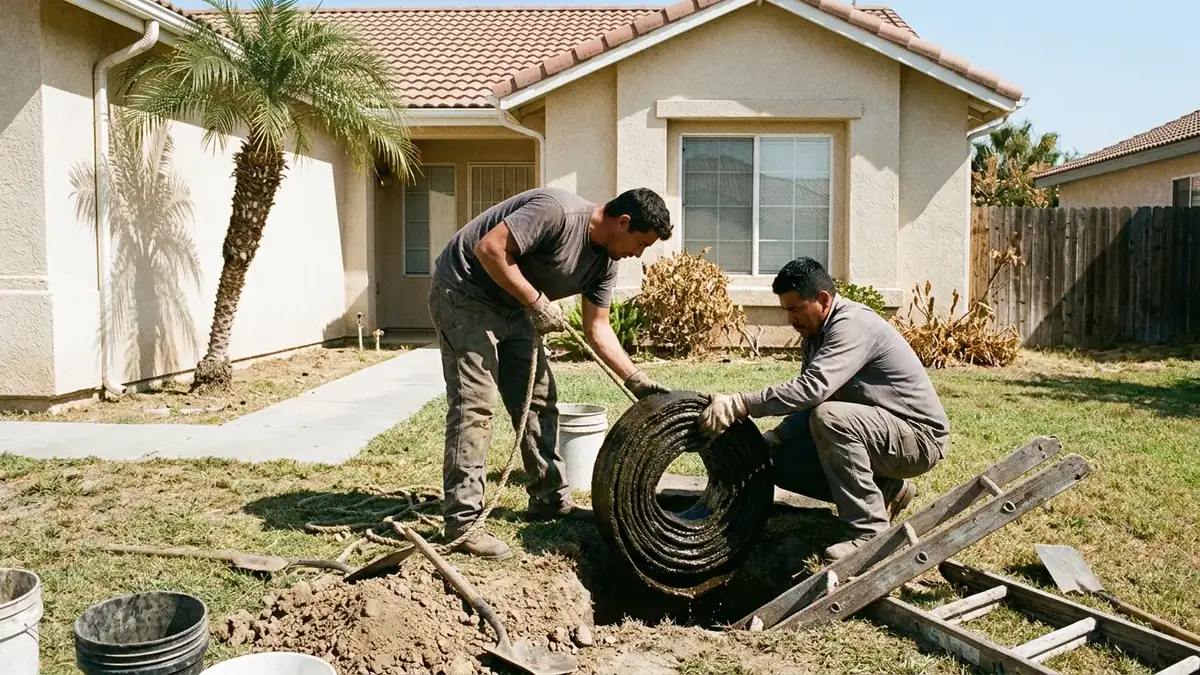
Trenchless sewer repair cost depends on a short list of things you can measure: how many feet of pipe need work, which method the pipe can take, how deep it sits, and what has to be opened up and rebuilt to reach it. Two houses on one street can get quotes far apart for ordinary reasons, and knowing what each part of a quote pays for makes them easier to compare.
The estimated ranges come first, then the seven factors that move a job within them. Every figure here is an estimate, not a quote; your line is priced only once it has been filmed, and you can find a sewer crew near you to do that.
Estimated ranges at a glance
A camera inspection is estimated at $150 to $500, and many companies credit it toward the repair if you go ahead. A spot repair, meaning a short sectional liner over one cracked joint or root entry point, is estimated at $1,500 to $4,000. Lining or bursting a full line is estimated at $80 to $250 per foot, so most residential laterals come in at an estimated $4,000 to $15,000. Long runs, deep lines and anything that crosses under a street can go beyond that.
What do 50 or 75 feet cost? Multiply the footage by the per-foot estimate, then add access, permits and restoration. A 50-foot lateral normally falls inside that estimated $4,000 to $15,000 band; a 75-foot run that also crosses a sidewalk sits higher in the estimate and can pass it.
1. Length of the run
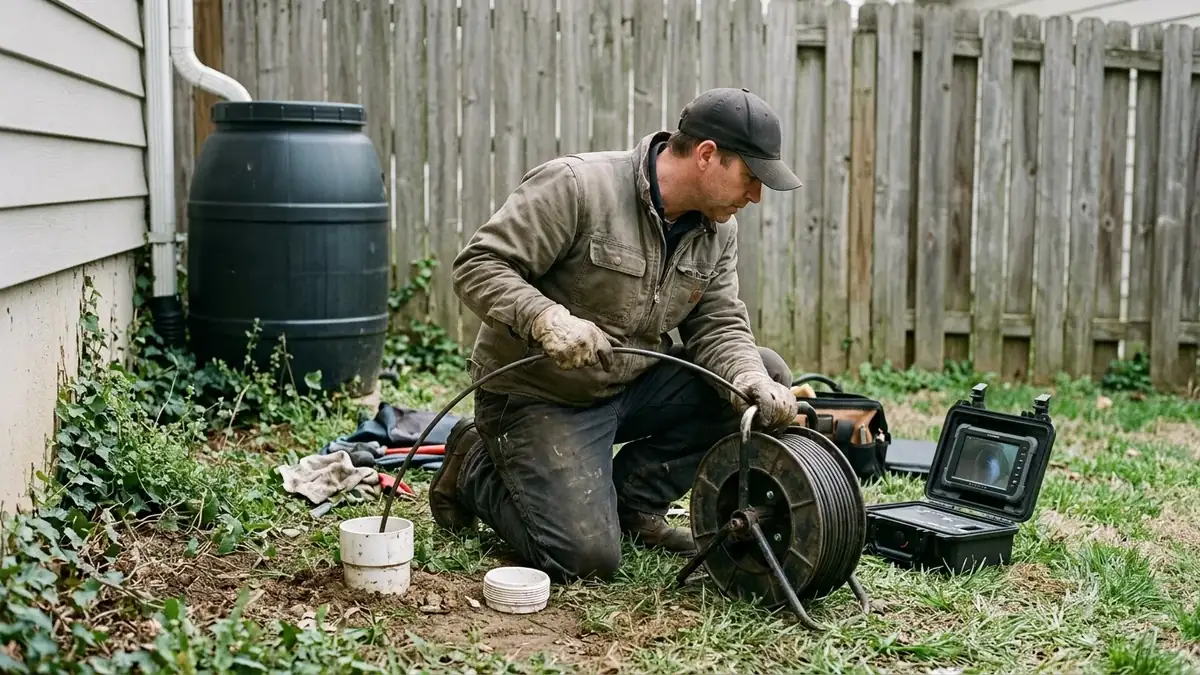
Every per-foot rate gets multiplied by footage, which makes length the biggest single lever on price. The camera's cable counter gives the true figure: the distance from the cleanout to the city main or to the property line, wherever your share of the line stops. If the video shows one bad joint in an otherwise sound line, the footage that matters may be a few feet, which is exactly what a spot liner is for.
2. The method the pipe can take
Lining and bursting share one estimated per-foot range, but they solve different problems. A liner needs a pipe that still holds its round shape. Bursting replaces a pipe that has flattened, collapsed or needs to go up a size. The camera decides which is on the table, and how lining and bursting compare goes through the trade-offs. Roots and cast iron scale have to come out before a liner can bond, so that prep belongs on the quote too.
3. How deep the line sits
Depth gets paid for in the access pits. A shallow line in soft soil needs a pit a crew can open quickly; a line far below a basement floor, or in rocky or waterlogged ground, needs a deeper hole, shoring and sometimes pumping. Depth matters least when a liner can be fed entirely from an existing cleanout, and most for bursting, which needs a pit at each end.
4. Pipe size and material
Bigger pipe takes more liner and resin, or a larger bursting head and more new pipe, so diameter feeds straight into the per-foot rate. Bursting can also upsize, say replacing a 3-inch line with 4-inch. Material changes the method as well: Orangeburg fiber pipe that has gone oval usually rules out lining and points to bursting.
5. Access: a cleanout or pits
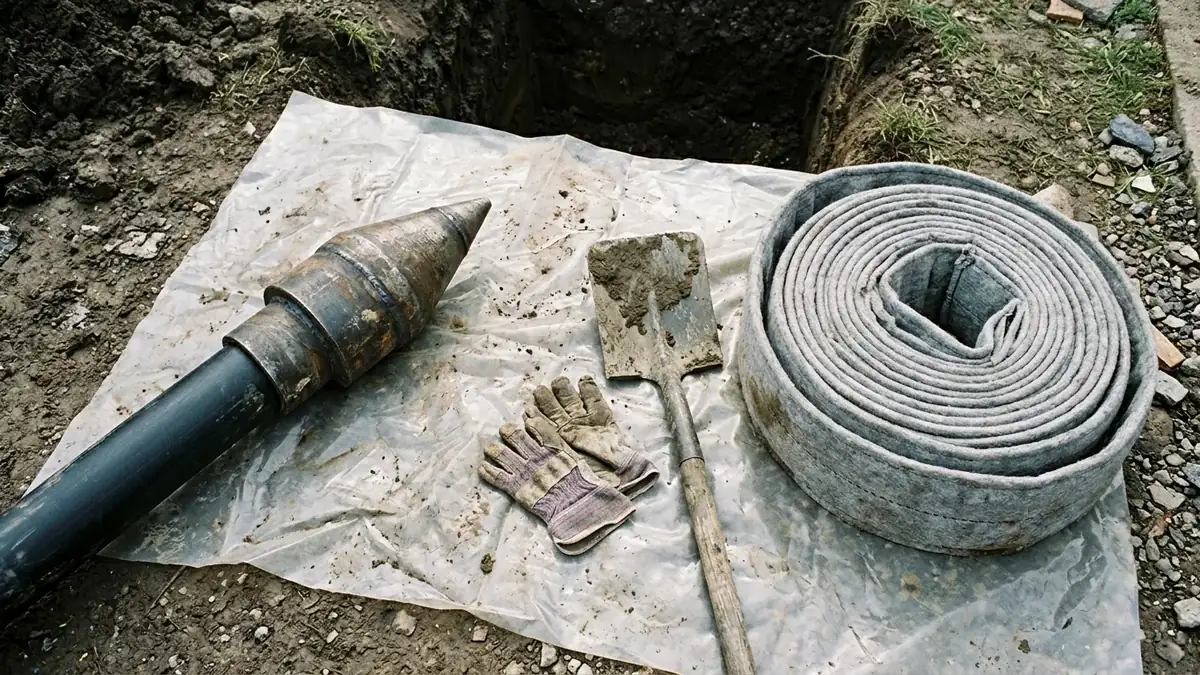
Lining can often go in through an existing cleanout, sometimes with a single small pit at the far end. Where a house has no usable cleanout, one is added, and that adds to the bill. Bursting needs two pits, each a few feet square. Under a slab, lining from a cleanout avoids breaking the floor, and the steps of a typical job show where each access point usually goes.
6. Permits
Lateral work needs a plumbing permit in almost every city, and any pit dug in the sidewalk or street needs a right-of-way permit on top. Fees differ from city to city and normally appear as their own line on a written quote. A pit in the roadway also brings traffic control and patching, which is a big part of why street-crossing jobs sit at the high end.
7. Restoration
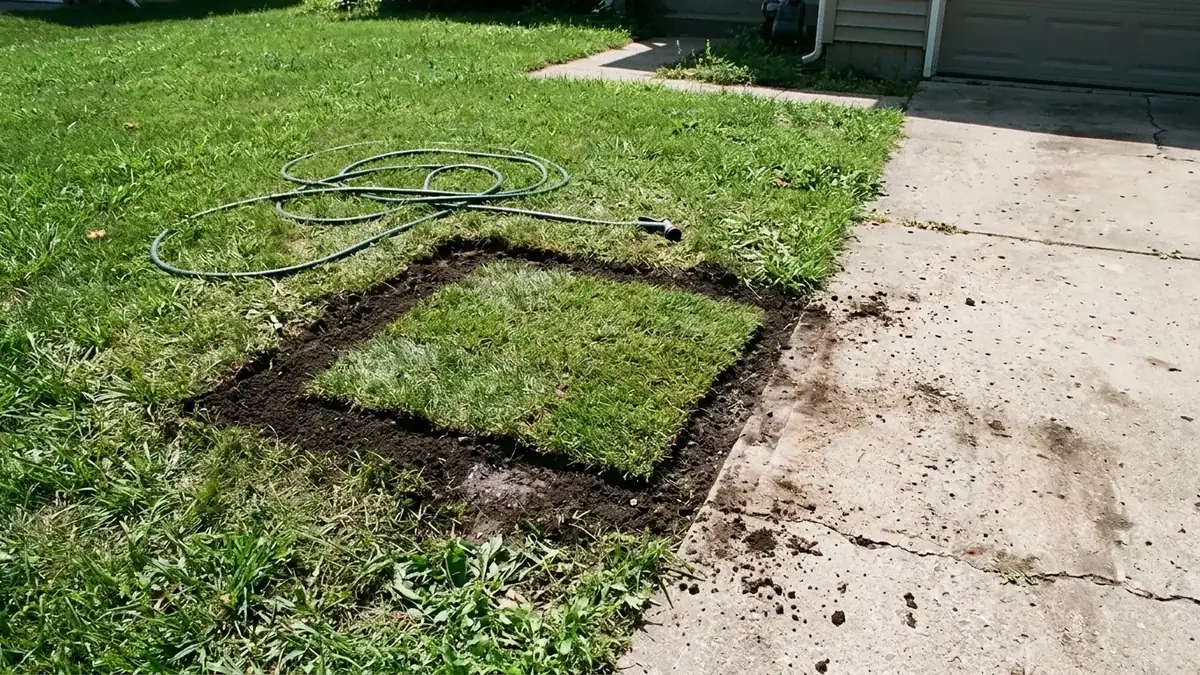
This is usually the factor that decides whether trenchless or an open trench is cheaper. Over an open lawn with a shallow line, a trench can price close to a trenchless job, or below it. Once the route runs under a driveway, a patio, mature planting or a street, rebuilding all of that is what makes digging expensive, and one or two small pits avoid most of it. Ask whether a quote covers backfill only or the finished surface as well.
Quick answers
How much does a trenchless sewer line cost?
Most residential lines are estimated at $4,000 to $15,000 to line or burst end to end, based on an estimated $80 to $250 per foot. When the camera finds a single defect, a spot liner is estimated at $1,500 to $4,000 instead.
Is trenchless sewer repair cheaper than digging?
Not every time. Over open ground with a shallow line, digging can match it or come in lower. Trenchless pulls ahead once the line runs under concrete, landscaping, a slab or a street, because so much less has to be rebuilt.
How much does it cost to have a sewer line lined?
Lining is estimated at $80 to $250 per foot. Where the rate lands depends on pipe diameter, length, how much cleaning the pipe needs first and whether a cleanout has to be added.
Why are two quotes for the same sewer line so far apart?
They often cover different work. One may line the whole run while another patches one joint; one may include permits, a new cleanout and surface repair while another leaves them out. Ask each contractor for the footage, the method, the access points and the restoration included, then compare those line by line.
What does it cost to fix a sewer line under a slab?
Lining from a cleanout falls in the same estimated per-foot range and leaves the floor alone. A collapse under the house may mean opening the floor at that spot, which goes on the written quote.
Sewer still backing up?
A crew that works on sewer lines can film it and price the fix in writing.