Belly in a Sewer Line: 5 Questions About Sags and How They Get Fixed
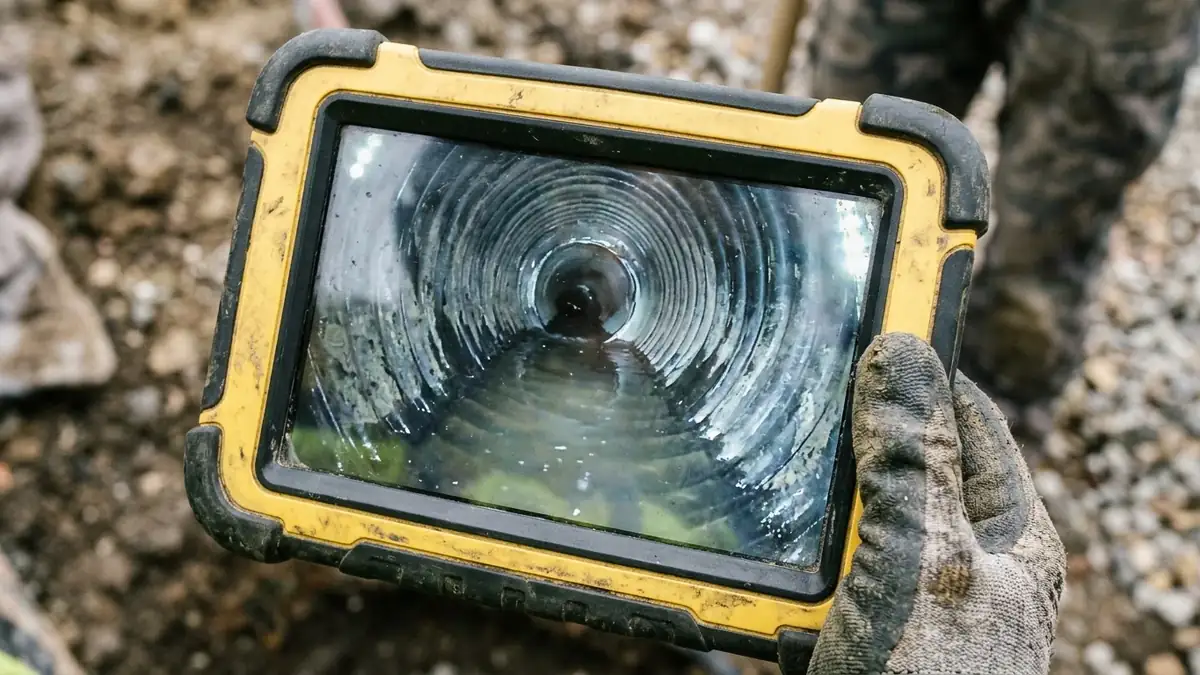
A belly in sewer line pipe is a section that has sunk lower than the pipe on either side, so instead of falling steadily toward the main, the line dips and then climbs. Water settles in that low spot and stays there, and anything heavy enough to sink, from paper to grease, can settle out with it. Bellies are among the most common findings on a sewer camera, and among the most misunderstood.
Some bellies are minor and can simply be watched. Others cause backups and need the grade put right. Here are the five questions homeowners ask most, answered the way a sewer contractor would.
1. What is a belly, exactly?
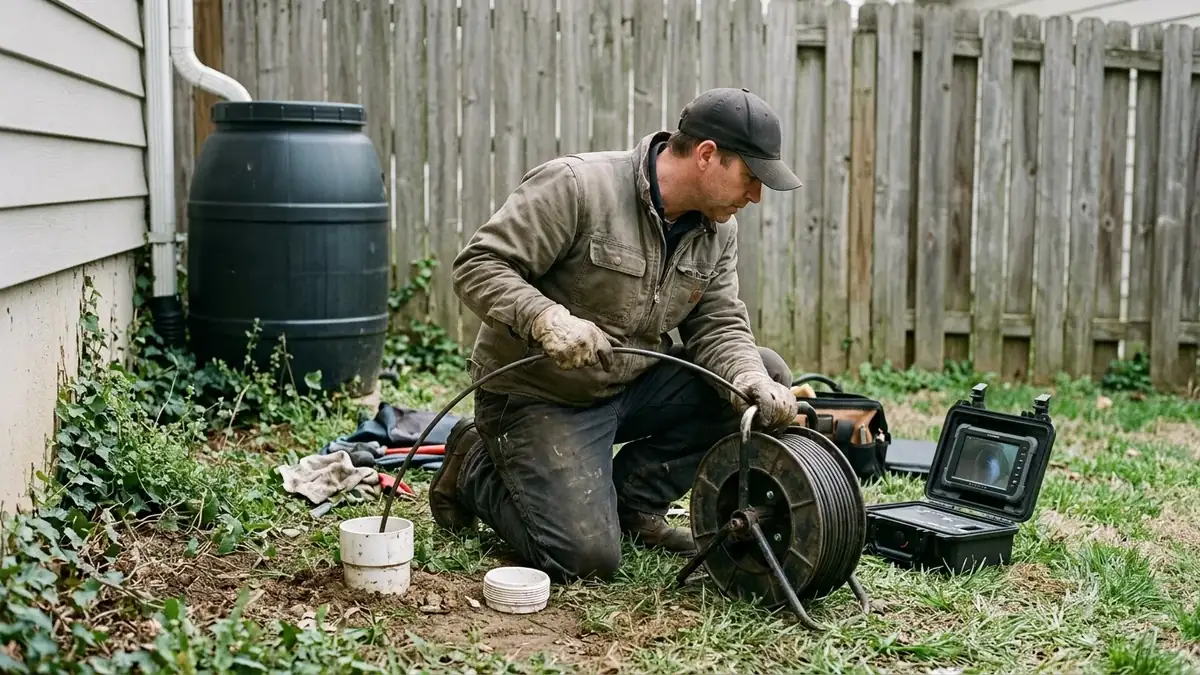
A sewer lateral runs on gravity, so it needs a steady fall from the house to the main. A belly is any stretch where that fall reverses. On camera it appears as water pooling in the bottom of the pipe, and in a deep one the lens goes under. The crew logs where it starts and ends by footage, and a locator above ground marks the spot, so you know whether it lies under lawn, a driveway or the house.
2. What causes a belly?
Almost always, the ground beneath the pipe has moved. Backfill that was not compacted well when the line was laid settles over the years. Wet soil from heavy rain, irrigation or a leak softens and lets the pipe sink. Expansive clay shrinks in dry spells and leaves voids, and frost heave and thaw disturb the bedding. A leaking joint can also wash away the soil beneath it, which lets that section drop.
3. How much belly is too much?
What matters is not only how deep the sag is but what it does. A short, shallow dip that drains between uses and doesn't collect solids can often be left alone and checked again later. A belly that holds water over a long stretch, catches paper, or lines up with repeated backups is too much, wherever it is. Footage taken with water running shows which kind you have far better than a single measurement on a report.
4. Does a belly need fixing right away?
Not always. If the house drains well and the camera shows a small sag without buildup, periodic cleaning and a repeat inspection may be all it needs. Signs that it is time to act are backups that return soon after the line is cleared, slow drains across the house, and solids sitting in the low spot on the video. The FAQ page has more short answers on timing.
5. How does a belly get fixed?
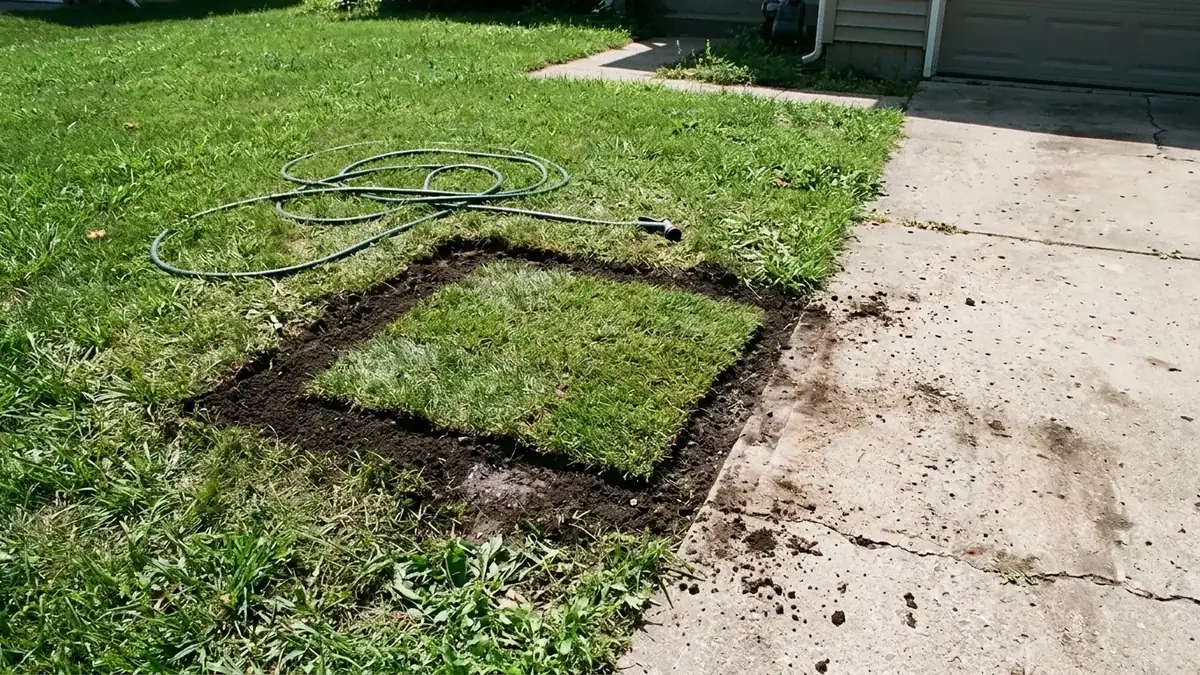
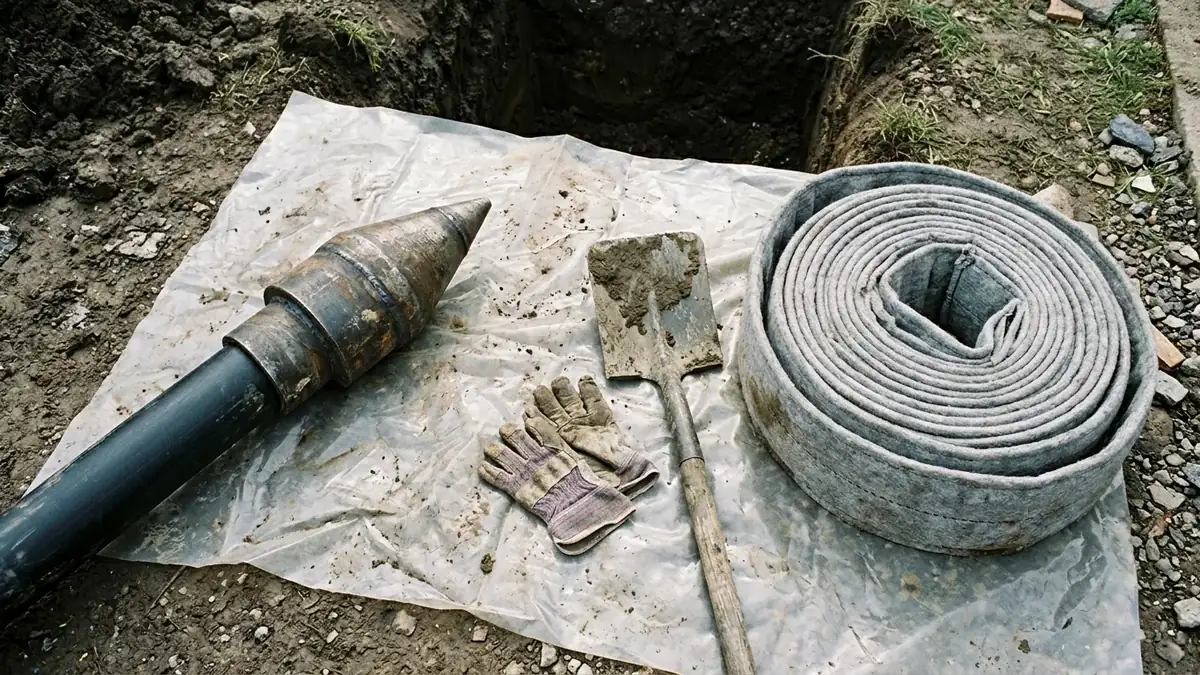
The dependable fix is to dig at the low spot, take out the sagging section, rebuild the bedding underneath and relay the pipe at the right slope. When the belly sits in open ground, that can be a short, targeted excavation rather than a trench along the whole line. Pipe bursting may smooth out a very slight sag, but it follows the old route, so it can't be counted on to lift a real belly. If the rest of the line is cracked or rooted, it can be lined once the grade is corrected.
Why a liner won't fix a belly
Lining often gets proposed for a line with a belly, so it helps to know what it can and can't do. The liner cures in the shape of the pipe around it, which means the low spot is still a low spot afterward. What a liner can do is seal cracked joints within the sag and smooth the lips where sections meet, which helps paper pass. It won't change the grade, and the limits of trenchless repair put that alongside the others.
A belly under a slab or concrete
A belly beneath the house, the garage or a paved drive is the hard case, because the targeted dig has to go through concrete. The choices are cutting a small section of floor at the sag, tunneling from outside to reach it, or, for a minor sag, keeping the line clean and monitoring it. Ask to see the footage and the located position before any of them is recommended, since the right answer depends on how bad the sag is and exactly where it sits.
What a belly repair costs
A dig at the low spot is priced by depth, the length of the sag and what has to be removed and rebuilt above it, so it doesn't follow a per-foot lining rate. If the rest of the line also needs lining or bursting, that part is estimated at $80 to $250 per foot. Ask for the grade repair and any lining to be listed separately on the written quote, and see lining and bursting compared for the rest of the line.
Quick answers
Why does a sewer line sag?
Ground movement under the pipe: backfill settling, soil softened by water, clay shrinking in dry spells, frost, or a leak washing away the bedding. The pipe sinks with the ground and the slope reverses in that stretch.
How serious is a belly in a sewer line?
It depends on its size and its effect. A shallow dip that drains between uses can often be monitored. One that holds water, collects solids or causes repeat backups needs the grade corrected.
Do sewer bellies need to be fixed?
Not every one. Small sags without buildup are often cleaned and rechecked. Bellies that cause backups do need fixing, usually by digging at the low spot and relaying the pipe at the right slope.
What are the symptoms of a sewer belly?
Slow drains throughout the house, backups that return soon after the line is cleared, and gurgling. A camera inspection confirms it by showing water standing in one stretch of pipe.
Can a belly in a sewer line be lined?
A liner can seal cracks and smooth joints in a sagging section, but it cures to the same dip as the pipe around it, so the belly remains. The grade has to be fixed by digging.
Sewer still backing up?
A crew that works on sewer lines can film it and price the fix in writing.