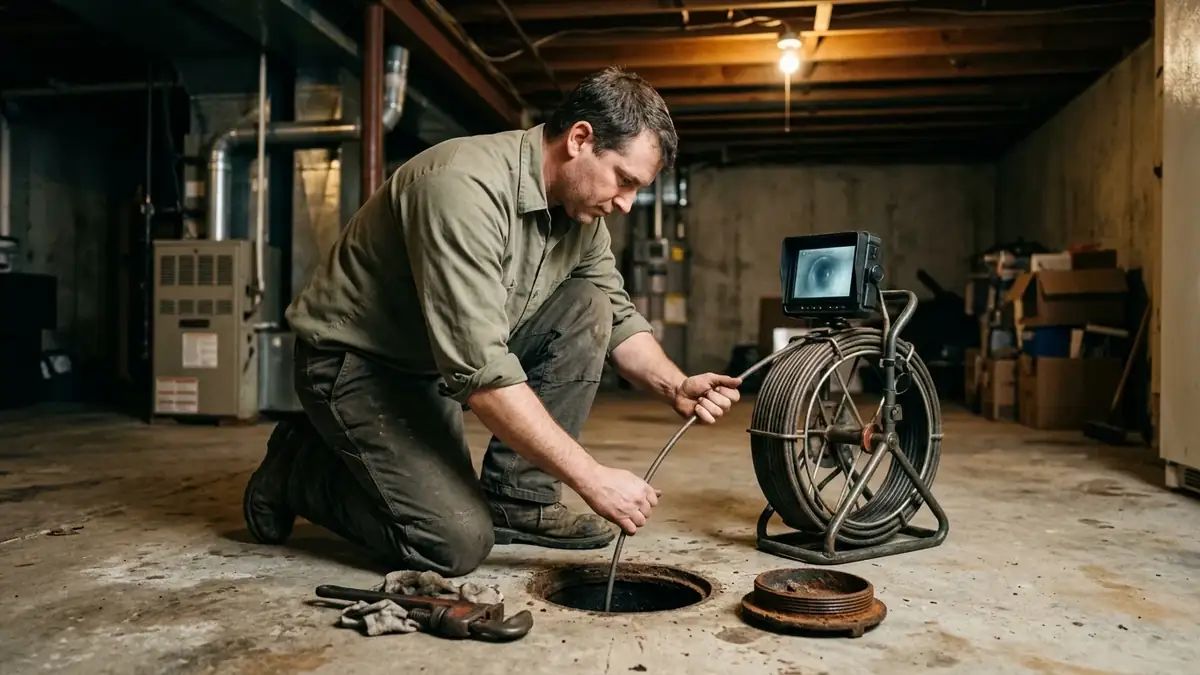
Trenchless Sewer Line Repair in New Lenox, IL
Trenchless sewer line repair in New Lenox, IL for homes whose sewer line keeps backing up. The cause is filmed, the repair is quoted in writing, and the result is filmed again.
- Clay, cast iron, Orangeburg and PVC
- Camera inspection first
- Pipe lining and pipe bursting
Camera first
The line is filmed end to end before anyone suggests a method or a price.
Price agreed in writing
Method, length and cost are written down first; work begins only after you sign off.
Licensed local crews
Repairs by licensed local technicians who work in your area.
Trenchless only
One specialty: sewer lines repaired by lining or bursting, through small access points.
Sewer Lines Under New Lenox Homes
Big shade trees are part of most New Lenox streets, and their roots follow any leak in an old sewer joint.
What we run into in New Lenox
- Deep frost. Freeze-thaw cycles move the soil around older pipe and open joints. Trenchless repair can go ahead without a long frozen trench.
- Basement exits. Many homes here have basements, so the sewer line leaves below the floor and runs deep under the yard. A long, deep trench is exactly what trenchless avoids.
- Tree roots. Roots are the most common thing the camera finds here. Cutting them buys time; lining the pipe takes away the joints they get in through.
New Lenox has about 27,456 residents spread over ZIP code 60451, and every one of them is within reach: 60451.
Call (833) 529-2616Sewer Line Failures We See Around New Lenox
Calls for trenchless sewer line repair in New Lenox, IL usually begin with one of the problems below, and the camera decides which fix fits.
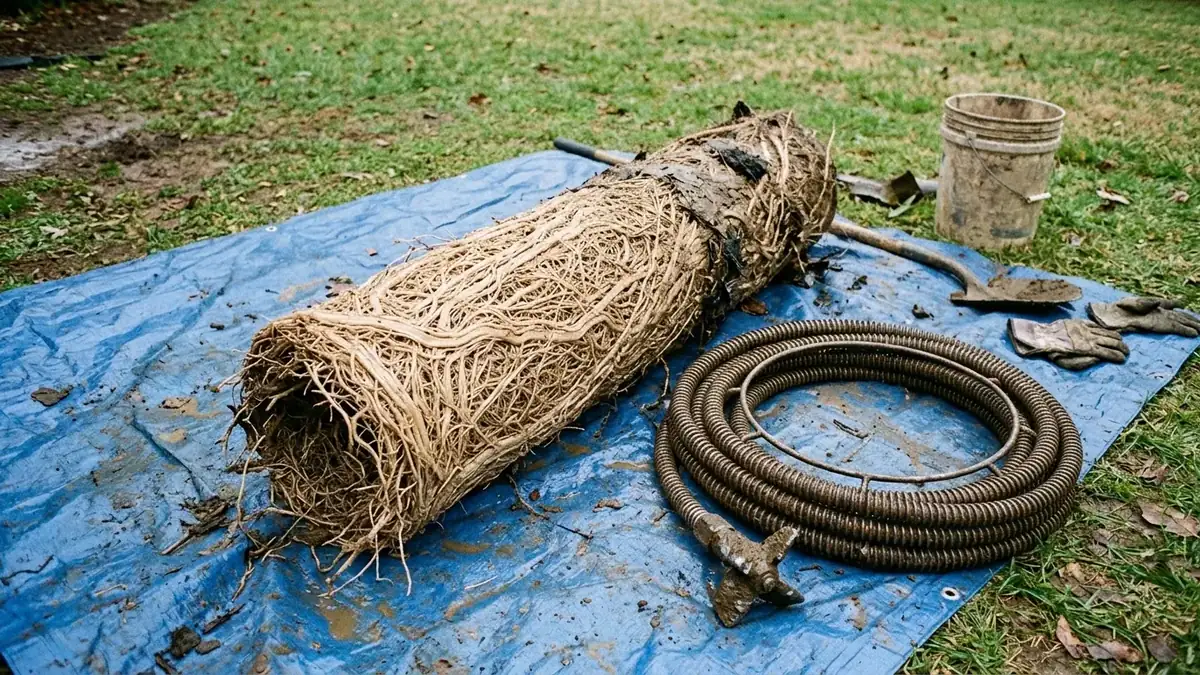
Roots in the line
Cutting roots clears the pipe for a while; a liner removes the joints they get through, so they stay out.
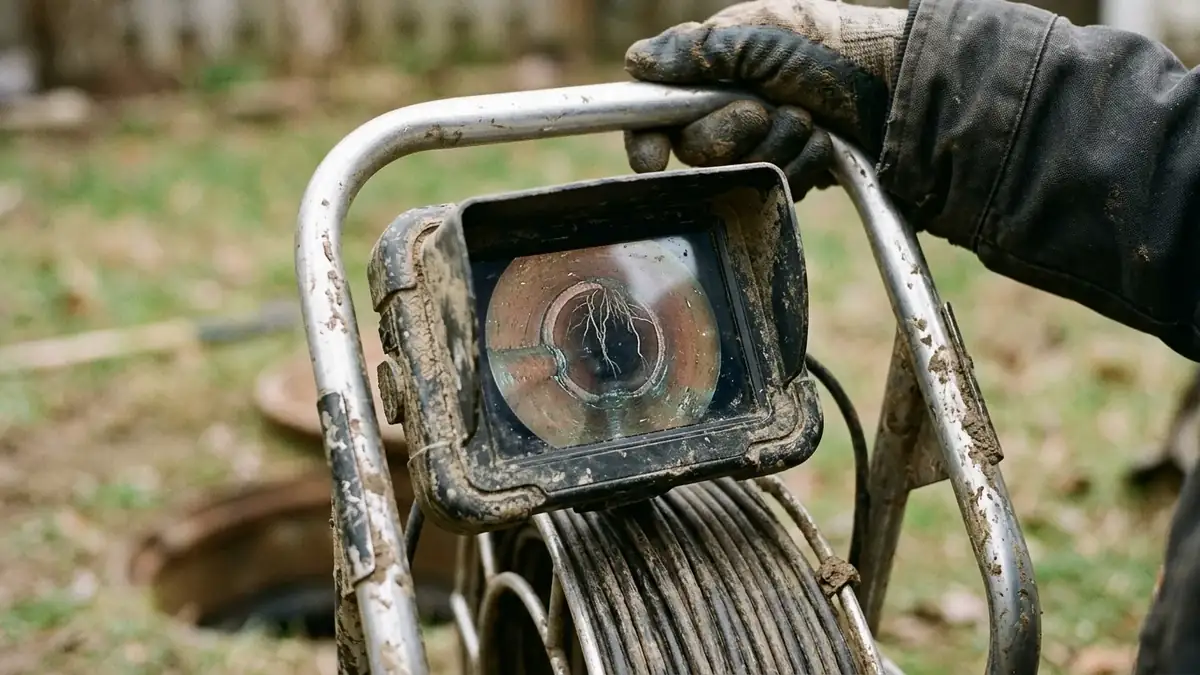
Breaks and shifted joints
Ground movement opens joints and cracks rigid pipe. Most of it can be lined; a badly offset joint may be burst.
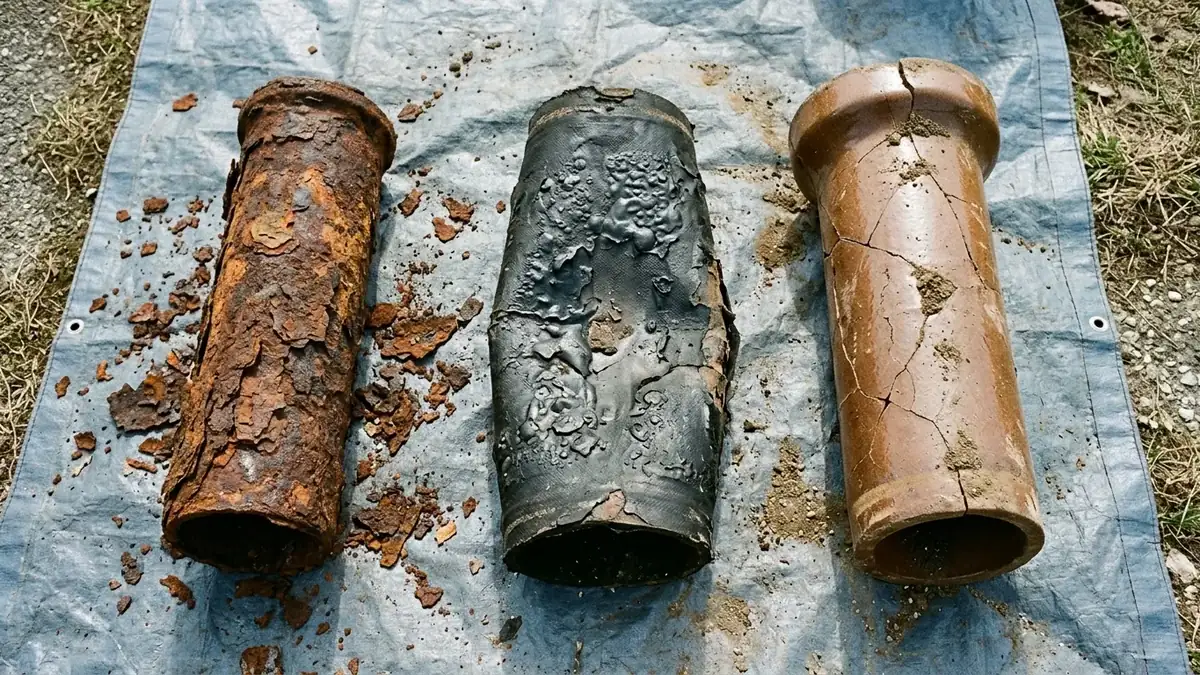
Worn-out cast iron and Orangeburg
Cast iron scales and rots from inside, and Orangeburg flattens. Cast iron is often lined; Orangeburg is usually burst.
Several drains slow at once
One slow sink is a local clog. Tubs, toilets and sinks slowing together point to the main line.
Toilets gurgle or bubble
Air pushed back through the trap when other fixtures drain means the line is partly blocked downstream.
Clogs that keep coming back
If the line needs snaking every few months, something in the pipe, usually roots or a break, is catching waste.
Can't tell which one you have? Describe what the drains are doing, and the likely cause comes back on the call.
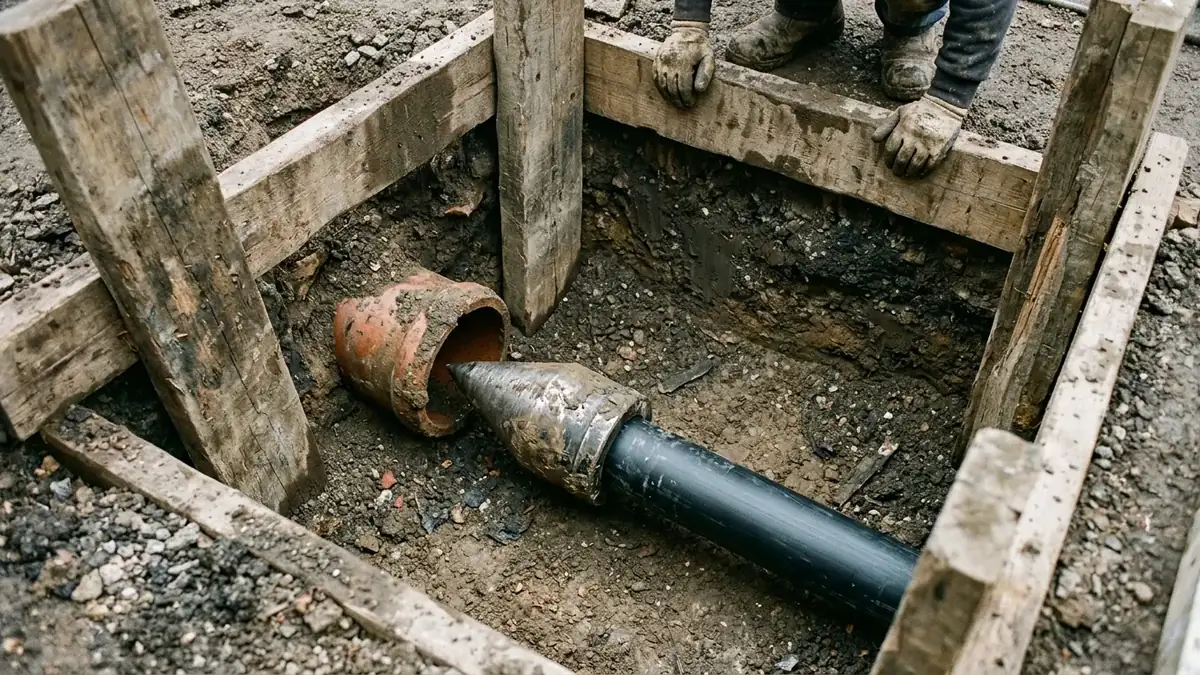
Line It or Burst It? Deciding in New Lenox
The camera settles it. Sound but leaking pipe gets lined; broken-down pipe gets burst; a single bad spot gets a patch liner. A sag that holds water is the one case where a short dig may be needed.
If you already have camera footage from a previous plumber or a home inspection, mention it when you call (833) 529-2616. It often settles lining versus bursting on the phone.
Call (833) 529-2616Estimated Sewer Repair Costs in New Lenox
For trenchless sewer line repair in New Lenox, IL, lining or bursting is estimated at $80 to $250 per foot, while a short patch liner is estimated at $1,500 to $4,000. Long or deep runs sit at the top of the range.
Camera inspection
- Video copy for your records
- Findings explained in plain words
- Depth and route located
Spot repair
- Sectional liner over one crack or joint
- Rest of the line checked on the same visit
- Usually done from the cleanout
Full line: lining or bursting
- Before-and-after video
- Est. $80–$250 per foot
- One or two small access points
Need Trenchless Sewer Line Repair in New Lenox, IL? Call Today
The sooner a cracked line is filmed, the more likely it is a patch and not the whole run.
New Lenox Homes by the Numbers
Only about 3% of homes in New Lenox were built before 1950, so most laterals here are later materials, which tend to fail at joints and connections or from roots and ground movement rather than from old clay. Another 16% were built between 1950 and 1979, a stretch when cast iron, clay and fiber (Orangeburg) laterals were all still in use, and the median home overall dates from 1997. With roughly 91% single-family homes and 91% owner-occupied, most New Lenox sewer laterals belong to the property owner, who decides whether to line, burst or patch.
With about 27,456 residents on roughly 16 square miles (near 1,709 per square mile), New Lenox is spread out, with mostly detached homes on larger lots and longer runs between fixtures and the street. It is number 64 by population of the 225 Illinois places on our service list.
Source: U.S. Census Bureau, American Community Survey 2019-2023 5-year estimates for New Lenox, IL.
Where We Go in New Lenox
New Lenox has about 27,456 residents spread over ZIP code 60451, and every one of them is within reach: 60451.
- 60451
Nearby Cities We Serve
Trenchless Sewer Line Repair in New Lenox, IL: FAQs
Didn't see your question?
Ring us. A sewer technician picks up, and quoting over the phone costs nothing.
Call (833) 529-2616How much does trenchless sewer line repair in New Lenox, IL cost?
Most lines cost an estimated $4,000 to $15,000 to line or burst, or about $80 to $250 per foot. A spot repair is estimated at $1,500 to $4,000, and the camera inspection at $150 to $500. Where a line is deep below a basement or frozen ground, access costs more, and that is on the written quote.
Can a sewer line be replaced without digging?
Almost. Trenchless methods use one or two small access points instead of a trench, and lining can sometimes run entirely from an existing cleanout.
What are the disadvantages of trenchless pipe lining?
A liner follows the old pipe, so it cannot fix a collapsed section or a belly that holds water, and it narrows the bore slightly. Those cases call for bursting or a short dig.
How long does trenchless pipe lining last?
A cured-in-place liner is designed for roughly 50 years of service, and a burst-in HDPE line for 50 to 100.
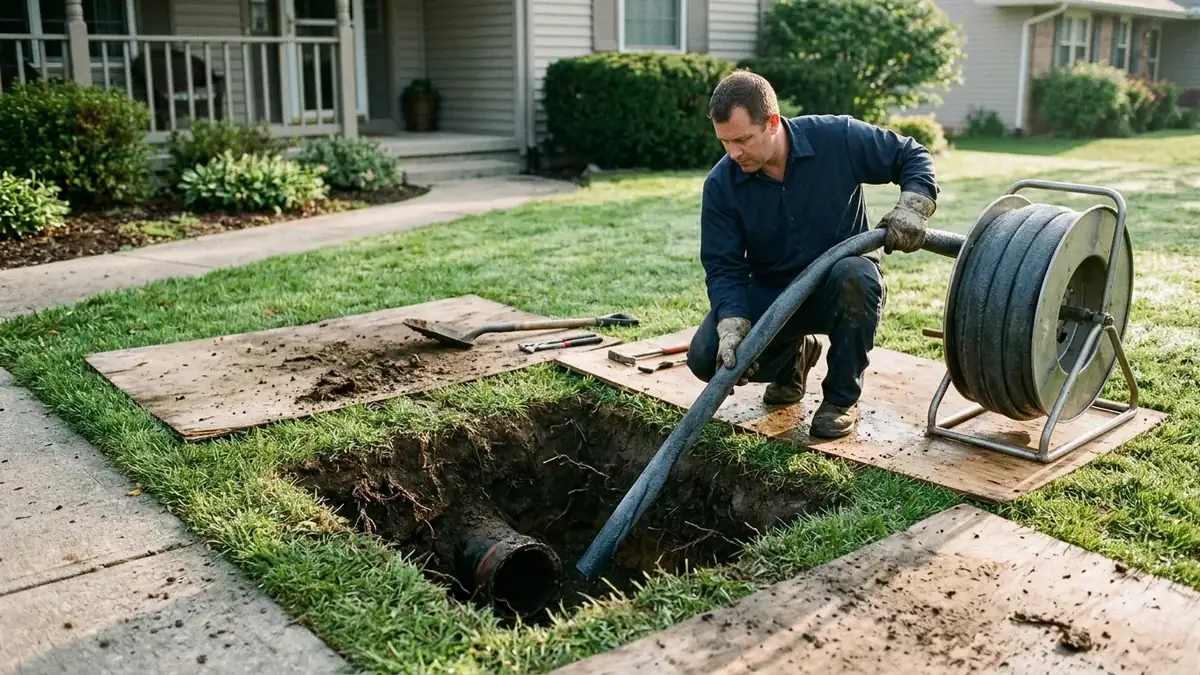
Schedule a Sewer Visit in New Lenox
A short call to (833) 529-2616 is usually all it takes to book the camera inspection that decides the repair.